
How WE Work
Technology is only useful when it changes something that matters.

We begin by understanding the business, the system around the problem, the constraints we are working within, and the outcome that needs to improve.
We begin by understanding the business, the system around the problem, the constraints we are working within, and the outcome that needs to improve.
Then we decide what should be built and what should not.
Then we decide what should be built and what should not.
//Business objective
//current system
//constraints
//success criteria
//Business objective
//current system
//constraints
//success criteria
Before we build, we understand the system.
A technically good solution can still fail if it solves the wrong problem.
We look beyond the initial request to understand how the problem actually exists inside the business.
That means examining the current process, people, systems, data, dependencies, bottlenecks and constraints before deciding on an approach.
[SYSTEM DIAGNOSIS]
//WHAT WE NEED TO UNDERSTAND
Four questions shape the problem before any solution takes form.
[SYSTEM DIAGNOSIS]
//WHAT WE NEED TO UNDERSTAND
Four questions shape the problem before any solution takes form.
[001]
Business
Objective
Why is this worth solving?
OUTCOME
PRIORITY
IMPACT
We define the business outcome first the bottleneck to remove, capability to create, experience to improve, or result the system is expected to influence.

[001]
Business
Objective
Why is this worth solving?
OUTCOME
PRIORITY
IMPACT
We define the business outcome first the bottleneck to remove, capability to create, experience to improve, or result the system is expected to influence.
[001]
Business
Objective
Why is this worth solving?
OUTCOME
PRIORITY
IMPACT
We define the business outcome first the bottleneck to remove, capability to create, experience to improve, or result the system is expected to influence.
[002]
Current
System
Where is the friction now?
WORKFLOWS
PEOPLE
SYSTEMS & DATA
We map the people, workflows, software, data, handoffs and dependencies already involved including where work slows down, breaks or depends too heavily on manual effort.

[002]
Current
System
Where is the friction now?
WORKFLOWS
PEOPLE
SYSTEMS & DATA
Websites that evolve per visitor through real-time AI and self-optimization.
[002]
Current
System
Where is the friction now?
WORKFLOWS
PEOPLE
SYSTEMS & DATA
We map the people, workflows, software, data, handoffs and dependencies already involved including where work slows down, breaks or depends too heavily on manual effort.
[003]
Constraints
What can’t we ignore?
TECHNICAL
OPERATIONAL
SECURITY
We identify the technical, operational and security realities the solution must respect including existing infrastructure, human involvement, timing and other conditions that affect the design.

[003]
Constraints
What can’t we ignore?
TECHNICAL
OPERATIONAL
SECURITY
We identify the technical, operational and security realities the solution must respect including existing infrastructure, human involvement, timing and other conditions that affect the design.
[003]
Constraints
What can’t we ignore?
TECHNICAL
OPERATIONAL
SECURITY
We identify the technical, operational and security realities the solution must respect including existing infrastructure, human involvement, timing and other conditions that affect the design.
[004]
Success
criteria
What would prove the change was useful?
EVIDENCE
RELIABILITY
PERFORMANCE
Before building, we define the evidence that matters what should become faster, more reliable, easier, more scalable or measurably better once the system is operating.

[004]
Success
criteria
What would prove the change was useful?
EVIDENCE
RELIABILITY
PERFORMANCE
Before building, we define the evidence that matters what should become faster, more reliable, easier, more scalable or measurably better once the system is operating.
[004]
Success
criteria
What would prove the change was useful?
EVIDENCE
RELIABILITY
PERFORMANCE
Before building, we define the evidence that matters what should become faster, more reliable, easier, more scalable or measurably better once the system is operating.
[OUR PROCESS]
From problem to working system.
We don’t start with a tool. We start with the problem, the system around it, and the outcome that needs to change.
From problem to working system.
We don’t start with a tool. We start with the problem, the system around it, and the outcome that needs to change.
[OUR PROCESS]
From problem to working system.
We don’t start with a tool. We start with the problem, the system around it, and the outcome that needs to change.
[001]
Understand
the System
We investigate the problem in context the current workflow, users, systems, data, dependencies, constraints and failure points. The objective is not simply to collect requirements. It is to understand what is actually happening before deciding what should change.
[001]
Understand
the System
We investigate the problem in context the current workflow, users, systems, data, dependencies, constraints and failure points. The objective is not simply to collect requirements. It is to understand what is actually happening before deciding what should change.
[001]
Understand
the System
We investigate the problem in context the current workflow, users, systems, data, dependencies, constraints and failure points. The objective is not simply to collect requirements. It is to understand what is actually happening before deciding what should change.
[002]
Define What
Should Change
Not every problem needs more software. Not every workflow should be automated. Not every system needs AI. We identify the part of the system where intervention can create meaningful value, define the desired outcome and remove unnecessary scope before engineering begins.
[002]
Define What
Should Change
Not every problem needs more software. Not every workflow should be automated. Not every system needs AI. We identify the part of the system where intervention can create meaningful value, define the desired outcome and remove unnecessary scope before engineering begins.
[002]
Define What
Should Change
Not every problem needs more software. Not every workflow should be automated. Not every system needs AI. We identify the part of the system where intervention can create meaningful value, define the desired outcome and remove unnecessary scope before engineering begins.
[003]
Design
the system
Once the problem is clear, we design how the new system should operate. We evaluate architecture, workflows, integrations, data movement, human involvement, failure handling and technical trade-offs then choose the approach that fits the problem rather than forcing a predetermined stack.
[003]
Design
the system
Once the problem is clear, we design how the new system should operate. We evaluate architecture, workflows, integrations, data movement, human involvement, failure handling and technical trade-offs then choose the approach that fits the problem rather than forcing a predetermined stack.
[003]
Design
the system
Once the problem is clear, we design how the new system should operate. We evaluate architecture, workflows, integrations, data movement, human involvement, failure handling and technical trade-offs then choose the approach that fits the problem rather than forcing a predetermined stack.
[004]
BUILD, TEST
& IMPROVE
We turn the design into a working system then put it against reality. We test real workflows and edge cases, observe failures and unexpected behavior, learn what the first version reveals, and improve the system from that evidence. The work does not stop when something runs successfully once.
[004]
BUILD, TEST
& IMPROVE
We turn the design into a working system then put it against reality. We test real workflows and edge cases, observe failures and unexpected behavior, learn what the first version reveals, and improve the system from that evidence. The work does not stop when something runs successfully once.
[004]
BUILD, TEST
& IMPROVE
We turn the design into a working system then put it against reality. We test real workflows and edge cases, observe failures and unexpected behavior, learn what the first version reveals, and improve the system from that evidence. The work does not stop when something runs successfully once.
[testimonials]
//HOW WE HELPED BRANDS EVOLVE
[testimonials]
//HOW WE HELPED BRANDS EVOLVE


SYNTHESIS didn't just design our product they made it intelligent. Our users are seeing personalized experiences we could never build manually.
Marcus Chen
CEO, TechFlow AI
SYNTHESIS didn't just design our product they made it intelligent. Our users are seeing personalized experiences we could never build manually.
Marcus Chen
CEO, TechFlow AI
SYNTHESIS didn't just design our product they made it intelligent. Our users are seeing personalized experiences we could never build manually.
Marcus Chen
CEO, TechFlow AI
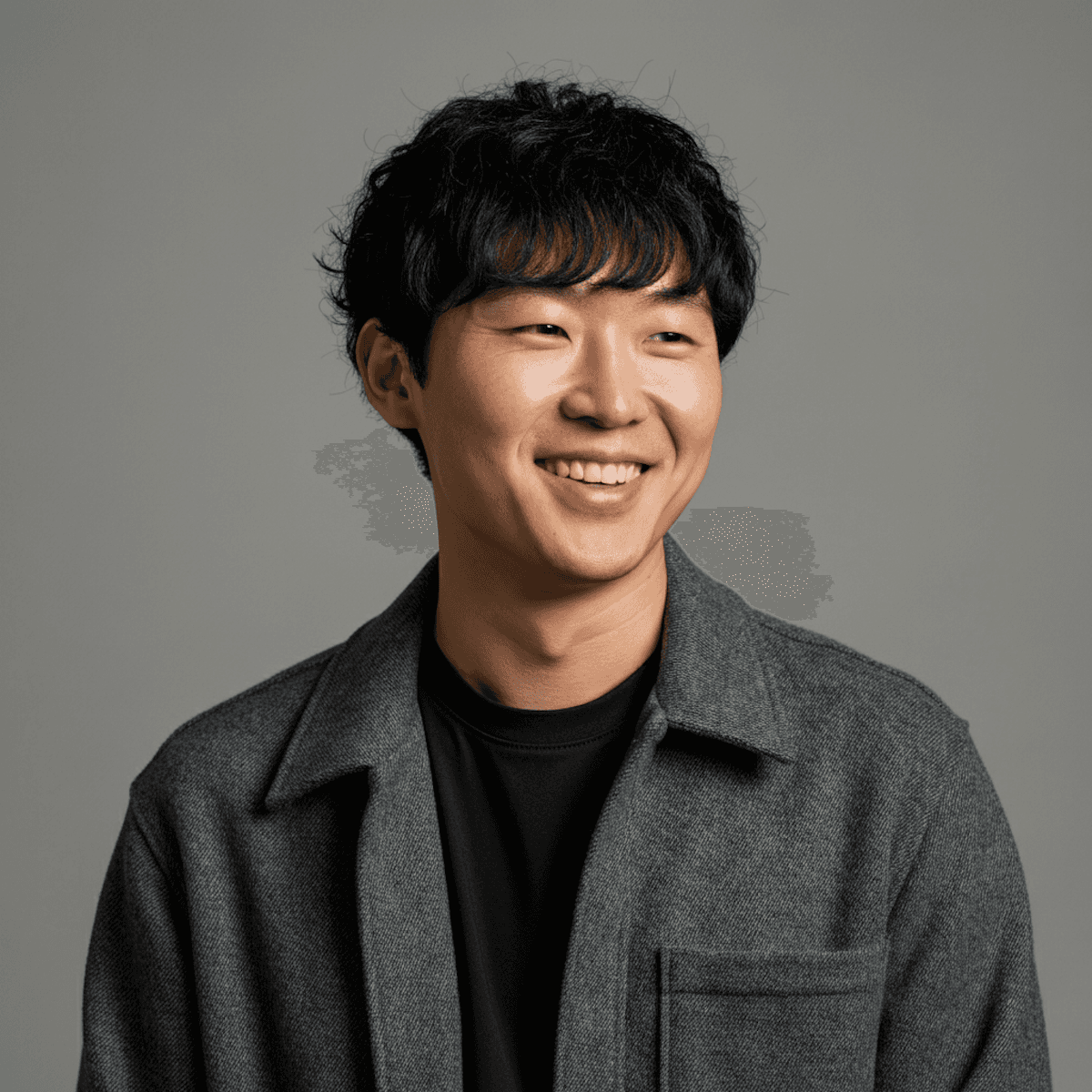

They built a self-generating brand system. We went from 3 designers to unlimited on-brand assets, with an AI that knows our brand better than most humans.
Sarah Kim
CMO, Aurora Retail
They built a self-generating brand system. We went from 3 designers to unlimited on-brand assets, with an AI that knows our brand better than most humans.
Sarah Kim
CMO, Aurora Retail
They built a self-generating brand system. We went from 3 designers to unlimited on-brand assets, with an AI that knows our brand better than most humans.
Sarah Kim
CMO, Aurora Retail


Our conversion rate tripled after SYNTHESIS built us an adaptive website. Every visitor sees a version optimized for them based on AI-driven analysis.
David Park
Founder, Nexus Platform
Our conversion rate tripled after SYNTHESIS built us an adaptive website. Every visitor sees a version optimized for them based on AI-driven analysis.
David Park
Founder, Nexus Platform


We needed a brand system that could scale across 12 product lines. SYNTHESIS built us an AI model that generates perfectly on-brand assets in seconds.
Jennifer Wu
VP Marketing, Vertex
We needed a brand system that could scale across 12 product lines. SYNTHESIS built us an AI model that generates perfectly on-brand assets in seconds.
Jennifer Wu
VP Marketing, Vertex


They built us a website that literally gets smarter every day, learning from visitor behavior and optimizing itself automatically. Now we focus on strategy, not endless A/B tests.
Alex Martinez
Head of Growth, Meridian Finance
They built us a website that literally gets smarter every day, learning from visitor behavior and optimizing itself automatically. Now we focus on strategy, not endless A/B tests.
Alex Martinez
Head of Growth, Meridian Finance
//TECHNOLOGY FOLLOWS THE PROBLEM.
//TECHNOLOGY FOLLOWS THE PROBLEM.
We don't begin by choosing a platform, framework, model or automation tool.
We begin by understanding what needs to change, what the system has to work within, and which approach can create the most useful outcome.
The technology comes after the decision.
//TECHNOLOGY FOLLOWS THE PROBLEM.
We don't begin by choosing a platform, framework, model or automation tool.
We begin by understanding what needs to change, what the system has to work within, and which approach can create the most useful outcome.
The technology comes after the decision.
01
OBJECTIVE
What needs to change?
The business outcome comes first.
→
02
PROBLEM
What is actually happening?
We identify the real problem before defining the solution.
→
03
CONSTRAINTS
What must the solution respect?
Existing systems, workflows, data, people and technical realities shape the solution.
→
04
BEST APPROACH
What is the right way to solve it?
We evaluate possible approaches before committing to implementation.
→
05
TECHNOLOGY
What should we build with?
Only now do we select the technologies, systems and components that fit the problem.
01
OBJECTIVE
What needs to change?
The business outcome comes first.
→
02
PROBLEM
What is actually happening?
We identify the real problem before defining the solution.
→
03
CONSTRAINTS
What must the solution respect?
Existing systems, workflows, data, people and technical realities shape the solution.
→
04
BEST APPROACH
What is the right way to solve it?
We evaluate possible approaches before committing to implementation.
→
05
TECHNOLOGY
What should we build with?
Only now do we select the technologies, systems and components that fit the problem.